Understanding the Importance of a Well-Maintained Treadmill Belt
Treadmills are a staple in both home and commercial gyms, offering a convenient way to keep fit year-round. However, like any piece of equipment, they require regular maintenance to function optimally. A critical component of treadmill upkeep is ensuring the belt is in good condition. A worn-out treadmill belt can lead to poor performance, increased wear on other parts, and even safety hazards.
Signs Your Treadmill Belt Needs Replacement
1. Visible Wear and Tear
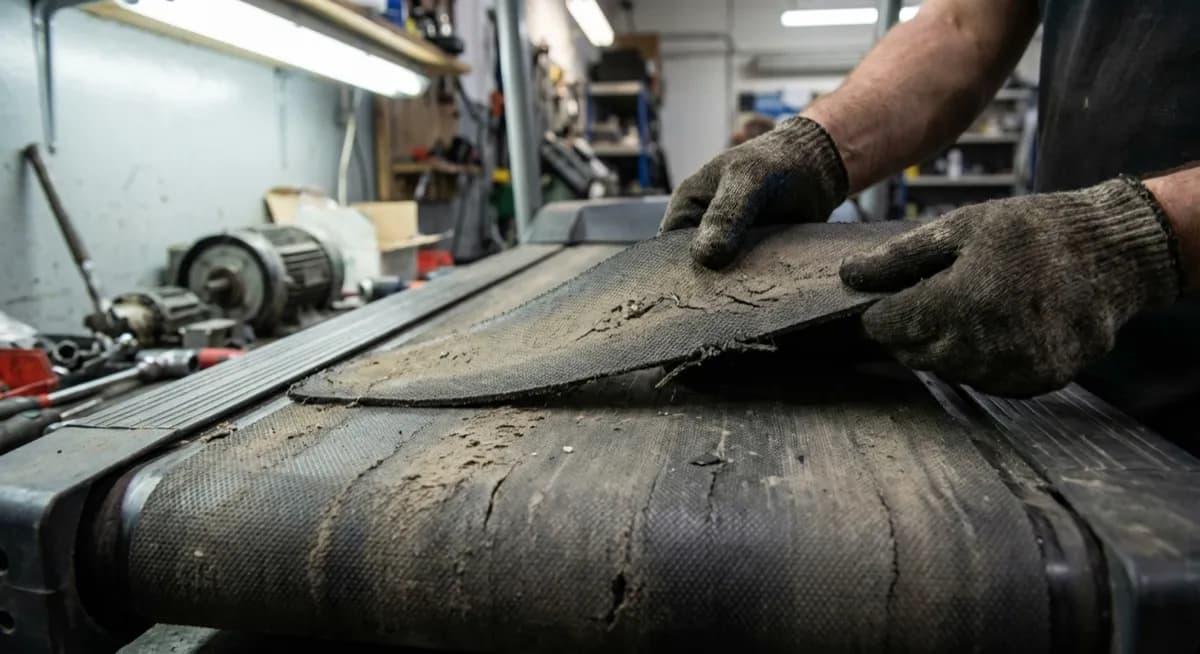
One of the most obvious signs that your treadmill belt is worn out is visible damage. Look for fraying edges, cracking, or a glazed appearance, which indicates excessive wear. Brands like NordicTrack and ProForm often have belts with built-in wear indicators that change color when replacement is necessary.
2. Slipping or Skipping
If you notice your treadmill belt slipping or skipping during use, it might be time to replace it. This issue is not only frustrating but can also be dangerous. A slipping belt is often due to stretching over time or a lack of proper tension.
3. Unusual Noises
Listen for squeaking, grinding, or thumping sounds when the treadmill is in operation. Such noises can indicate that the belt or deck may be worn out, especially in models like the Sole F85 or Horizon 7.0 AT.
4. Uneven Wear
Check for uneven wear patterns across the belt. If one area is significantly more worn than another, it could cause imbalance and affect your treadmill's performance.
Steps to Inspect Your Treadmill Belt
- Turn off and unplug the treadmill: Always prioritize safety before starting any maintenance.
- Lift the belt: Gently lift the belt to check for resistance. A tight belt should lift no more than 2-3 inches. If it lifts more, it may need tightening or replacement.
- Check the deck: Inspect the deck surface for smoothness. A rough deck can accelerate belt wear.
- Run a hand test: Glide your hand along the belt's underside to feel for rough patches or inconsistencies.
How to Replace a Treadmill Belt
Replacing a treadmill belt can be a manageable DIY project for those comfortable with basic tools. Follow these general steps:
1. Gather Necessary Tools
You'll need a set of Allen wrenches, a screwdriver, and the replacement belt. Ensure the new belt matches the specifications of your treadmill model. Brands like LifeSpan or Bowflex offer detailed guides on their websites for specific models.
2. Remove the Old Belt
Begin by loosening the rear roller bolts with an Allen wrench. Slide the belt off the deck, taking care not to damage other components.
3. Install the New Belt
Place the new belt on the deck and align it with the rollers. Tighten the rear roller bolts to ensure proper tension.
4. Test the Treadmill
Plug the treadmill back in and test it at a low speed. Check for smooth operation and adjust tension if necessary.
When to Call a Professional
While DIY maintenance can save money, certain situations warrant professional intervention. If you're unsure about the belt replacement process, or if your treadmill is a high-end model like the Peloton Tread, consulting with a qualified technician is wise. Additionally, if your treadmill shows signs of electrical issues or severe mechanical problems, professional help is recommended to avoid further damage.
Conclusion
Regular maintenance and timely treadmill belt replacement are essential to ensure the longevity and safety of your treadmill. By recognizing the signs of a worn-out belt and knowing when to seek professional assistance, you can keep your treadmill running smoothly for years. Remember, your fitness equipment is an investment in your health, so treat it with the care it deserves.